

Welcome
Exporters of beautiful pashminas to USA, Canada, UK, Germany, Italy, France, Japan, Mexico, Brazil, Chile, Argentina, Venezuela, Austria, Holland, Finland, Ireland, Sweden, Switzerland, Spain, Russia, Denmark, Norway, Hong Kong, Philipines, Taiwan, Korea, Australia, New Zealand, Singapore, Malaysia, Thailand, Turkey, Iran, Dubai.......
PASHMINA
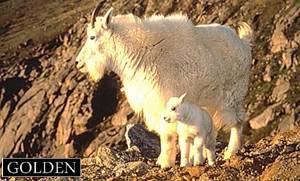
Pashmina is made from the finest cashmere wool in the world. It is combed from the underside of the Himalayan Mountain Goat - Capra Hircus, which are indigenous to the mountains of Central Asia. Pashmina has been valued for centuries throughout Asia then by europe and now throughout the world as the costliest fibre called 'white gold', and the wonderful qualities of pashmina are now making it just as popular in the West.
What is Pashmina ?
Pashmina wool is also known as the softest, most luxurious and the best pashm wool in the world. It is procured from the hair of underbelly of the mountain goat Capra Hircus in Himalayan region as finest Kashmiri wool which is derived at the altitude of 12000 to 14000 ft. where temperature goes down up to-40 degree centigrade. The THERMOCONDUCTIVITY of Pashmina Wool is Best in the World as it survives the animal AT -40° C. The animal survives because of this nature gifted hair. Pashmina fibre is less than 14-19 microns in thickness making it very soft (whereas human hair is 75 microns thick). Origin of Pashmina dates back to ancient civilization . Earlier this precious fabric was known as FIBRE FOR KINGS. Now this royal luxury is being offered in wide variety of shawls, stoles, and scarves. Pashmina Golden presents shawls, stoles, scarves, throws and wraps in Pure pashmina wool and in Silk Blend Pashmina in all possible colors. Buy now at unimaginable prices.
The beautiful vale of Kashmir has always been famed for its craftsmanship. The weaving of Kashmiri shawls was first introduced into the valley from Turkistan by Zain-ul-Abdin, the ruler of Kashmir, in the 15th century. Production benefitted from the patronage of the Mughal rulers like Akbar and his successors, who wore these shawls, and also because of patronage of local governments. The collapse of the Mughal Empire left many weavers unemployed. The situation however, was saved by the enormous increase in demand from Europe, where the shawls became popular in the later part of the 18th century. At the beginning of the 19th century, foreign entreprenures started to commission shawls especially for the French market, adapting the designs to suit European taste. Indeed Pashmina became the rage in France after Napoleon presented a rare shawl to Empress Josephine. With the progress of the century, the adaptation in designs became increasingly complex. The European market for shawls collapsed in 1870 due to a combination of factors such as changing tastes and competition from Paisley shawls. The economic prostration of France when she was defeated by Prussia added to the declining European market. The Kashmiri weavers either left the valley for India or started producing embroidered shawls for tourists. Today Kashmiri shawls are embroidered by professional men as its a huge business. Fashion gurus now pronounce it as essential to the wardrobe as the ubiquitous little black dress.
Too much confused and afraid of popularity of Pashmina as a thing of east and bugged by its undying demand some companies to make huge profits and confining the goods to their own registered CASHMERE as a trade mark item for their own use and benefits and to make it highly expensive out of reach of people as copyright and monopoly business defined their own defination as a thing of west and to restrict the entry of Pashmina into west by its own definitions to make huge profits for a 100 USD pashmina shawl to sell at 1000 USD as cashmere without any value addition.
Increasingly sought-after by stylish women of all ages who recognize the elegance of these shawls - a well-chosen Pashmina can transform the simplest attire into the most chic ensemble - and appreciate their practicality and versatility as a snug muffler, coat or blanket. Most department stores and designers retail scarves woven from 100 percent genuine fiber or blended with silk. But beware of fake "ordinary wool" garments masquerading as pashmina on sale in less reputable shops. This luxurious accessory can also be purchased on the internet. We at Golden International sell pashmina through our Online Shopping Website. "A pashmina is worn close to the face and the color must suit each persons skin tone". The colors that are particularly fashionable this season are shades of purple; from pale lilac to a deep violet shade of prune. Pashmina trends this year are slightly ethnic embrodiery and pleats. Due to the timeless and seasonless versatility of the pashmina, many women opt for a classic color that can be worn season after season, perennial favorites include pink-pale shades through to bright fuchsia-butter yellow, white and, of course, jet black. It takes the wool from 4 upto 200 man-hours (spinning, weaving, dying and decorating) to make just one pashmina shawl. Hand-spinning the wool for a single pashmina takes 15 days, so naturally the labor-intensive production is reflected in the price.
Pashmina Prices
The price of a Pashmina may range anywhere from a few hundred dollars to several thousands of dollars, depending upon the micron fineness and craftsmanship, rare fiber availability and time taken in its creation. International prices are 300-1000$ per pcs but we offer it at 50-300$ as we are manufacturers, a factory direct out let, weavers with in house complete manufacturing till finished product. We buy pashmina from rearers of pashmina goat in Tibet and Kashmir at that time of year when prices are lowest. Thus, our prices are very economical
Choosing Pashmina
When choosing a pashmina it is important to check whether the piece is 100% cashmere or if it has been blended with silk. We recommend 100% Cashmere for all occasions. But even a 70% Pashmina/30% Silk is recommended as it has sheen due to silk and is smoother. Prefer a 2-ply pashmina as it drapes well and is suitable for climate up to 2°-3°. Below freezing temperatures and for very elder person say grandparents, a 4 Ply Pashmina or Blanket gives a real warm envelope. It is 4 times the weight of 1 ply. 1 ply is best for summers, with temperature 30° plus. Wear a pashmina according to your height. Since we have our own manufacturing unit we are able to sell the same top quality products at affordable economical prices. Rest assured no animals are harmed in the making of pashmina. Our pashmina shawls are remarkably soft and light, but thick so that threads do not have any space between them. Our customers tell us how much they love their shawls, and we know you will receive as many compliments when you wear them.
Kashmiri Embroidery
Kashmiri Embroidery, called Kasida, is varied, rich in colour and elaborate in details and exquisite in execution. The finest Kasida work in shawls has no reverse side. Connoisseurs set great value to the embroidery that displays similar fineness of work on both sides of the shawl. The kasida pattern are drawn freely by the Naqqash (the Designer) mostly from memory. These are inspired by the sparkling lakes, the broad curves of the Jhelum, the breath-taking colors of the skies at sunrise and sunset over the mountains. The Naqqash also draws upon poetic fancies and religious or philosophical themes, portraying them in the designs. The common motifs include floral borders, paisley, chinar leaves and buta cones.
The Softer-than-Cashmere texture, the wool which grows soft with use, the countless hours of painstaking work that go into making each shawl, make the fabric very special. The Pashmina has a superbly textural feel, drapes beautifully, feels soft, warm and light to the touch and will serve a user well for a lifetime. Its timeless beauty and patterns remain eternally in vogue.
To the credit of the traditional shawl-makers of Kashmir, the fine Pashmina could not be made successfully elsewhere although attempts have been made to replicate this craft. The wool offers light weight insulation without bulk. The fibers are highly adaptable and appropriate for all climates. A MUST BUY
Pashmina Shawls, Stoles, Scarves
As winter approaches, we all dig into our closet for the tired old coats and mufflers we've worn for the past years, when what we should really be doing is rushing out to buy the most fashionable accessory, the PASHMINA. This luxuriously soft, warm shawl, which comes in a rainbow of colors, can be embroidered, beaded or pleated and worn as a simple muffler or wrapped elaborately around the body in place of a coat or cardigan.
Since the time Americans have known Pashmina, it is being promoted as a stable of the wardrobe. Although not cheap, Pashmina is breaking out of its image of a status symbol meant for the elite. American designers like Caroline Herrera and Donaletta Versarc have incorporated and experimented with this material. The basic colours that Pashmina comes in are grey, brown and white. However, the fabric adapts itself beautifully to coloring. It is now available in approximately 400 Colors and the "graduated" colour scheme is definitely 'in'. American women are also going in for shawls with bead work and embroidery.
How to Wash or Care for Pashmina?
→ We recommend Dry-clean only.
→ All Pashminas as washed in our factory by experienced washerman.
→ Pashmina should be washed separately.
→ Dip Pashmina for 15 minutes in Luke warm (20° C) 10-15 litres water.
→ Take pashmina out; Again in 5-10 litre water in a bucket add 2-3 tablespoon of liquid Soap or Shampoo. Immerse pashmina for 30 minutes.
→ After 30 minutes just stir it with hand politely or turn it around a few times (DO NOT USE MACHINES - Pashmina will shrink and get damaged. Pashmina is very delicate fiber).
→ Rinse the pashmina in fresh running water until water runs clear and then drip dry only (DO NO WRINGLE OR TWIST or TUMBLER DRY).
→ Dry in shade, away from direct sunlight; reverse if embroidered with embroidered underside. Iron it when 90% dry (not 100%).
→ You will get the fresh pashmina though it will not be as we do.
How to Distinguish Authentic Pashmina
Fake pashmina shawls are usually made of acrylic (a kind of synthetic fiber). Be a smarter Shopper! The ultimate test is to burn it. When wool burns, it smells like hair burning. And what is left is just ash, and comes off easily. If a fabric has synthetic in it, it has a slightly chemical smell. But the true sign is that when you blow out the flame, there is a little hard 'bead' left, which stays attached to the fabric. Just burn the end of one of the fringes, and you will be able to tell.
Buy Pashmina Now
So leave your old scarf in the closet, and move into this new year with some capra hircus cashmere snugly wrapped around you! Be chic and warm this season with Pashmina Shawls, Scarves and Wraps.
